
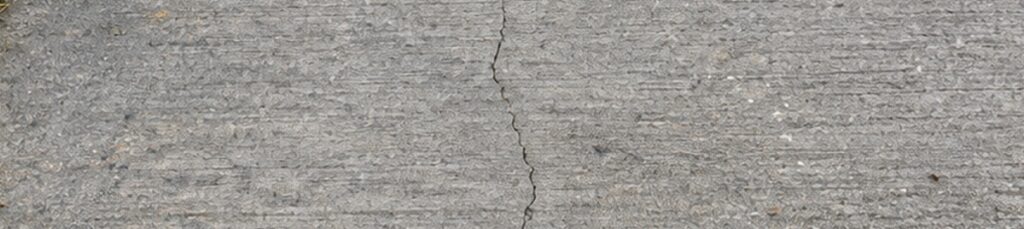
A fine line across a driveway can show up even when the concrete was installed properly. Concrete shrinks as it dries, expands and contracts as temperatures change, and depends on the ground underneath for support. A crack that stays level and the same width often calls for a different response than one that widens or leaves a raised edge. Here’s what to look for on a Brevard County driveway, patio, or sidewalk, and what good installation can do to reduce cracking.
Why concrete cracks as it dries
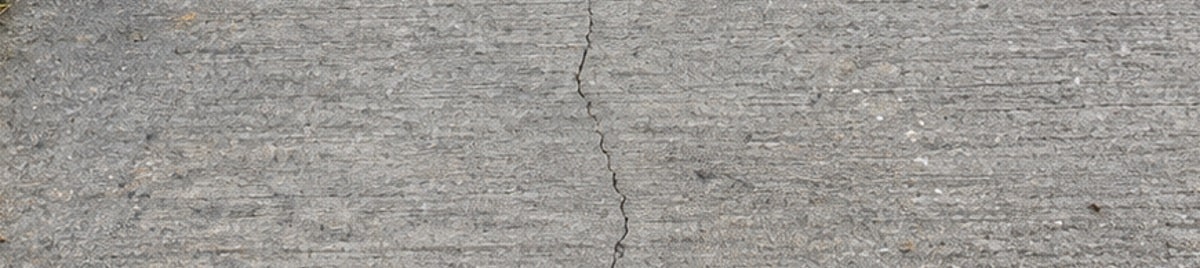
A hardened slab contracts slightly as it loses moisture. If the slab can’t move freely, tension builds. Once the tension exceeds what the concrete can handle, the slab cracks. This is called drying shrinkage. You may see the crack start at a corner or run across a wide section of the slab, especially where there’s no nearby control joint to guide it.
Cracks can also develop in fresh concrete before it hardens. On a hot, windy afternoon, moisture can evaporate from the surface faster than it’s replenished from below. That can leave shallow cracks called plastic shrinkage cracks. Timing helps tell the two apart. Plastic shrinkage happens while the concrete is still fresh, while drying shrinkage occurs after it hardens.
How drainage and soil movement affect a slab
Concrete needs even support underneath. If a patch of fill settles or runoff washes material away from an edge, part of the slab can lose support and bend under its own weight or the weight of a vehicle. The two sides of the crack can end up at different heights. That raised edge can become a trip hazard on a walkway.
After a heavy Florida rain, look at where the water goes. A downspout that discharges beside the driveway or runoff that repeatedly cuts a channel along the slab edge can point to a drainage issue. Pooling that develops in a new spot is also worth noting, especially if it appears alongside a widening crack or a sunken slab.
What to check before calling a contractor
Start with the location. A crack next to the garage, along the driveway edge, or in the middle of a panel gives the contractor different places to check. Take one wide photo that shows the whole slab and a close-up of the crack. If one side is higher than the other, lay a straightedge across it so the difference is visible. Note when you first saw it and whether it changed after heavy rain.
The way you use the slab matters, too. Tell the contractor if you recently started parking a work truck, boat, or RV on the driveway, or if there was digging next to it for a utility or landscaping project. Those details can help narrow down what needs to be checked under and around the slab before anyone quotes a concrete repair.
How contractors reduce and control cracking
A durable concrete driveway starts with a base that provides consistent support and a plan for where rainwater will drain. Slab thickness and the concrete mix should suit the loads the surface will carry. A walkway and a driveway that regularly carries heavy vehicles have different demands. After placement, proper curing helps retain moisture so the concrete can develop strength.
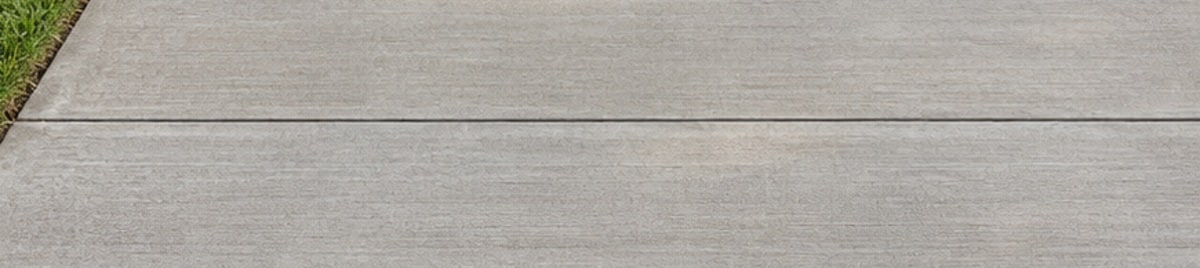
Control joints are grooves cut or tooled into a slab at planned locations. Each groove creates a thinner section where the slab is more likely to crack as it shrinks. The crack can form below the groove, where it’s less visible. The spacing, depth, and timing of the joints matter. Even with well-placed joints, a crack can still develop elsewhere.
Common questions about concrete driveway cracks
Are hairline cracks in new concrete normal?
They can be. If the crack is narrow, the edges are level, and it stays the same size, take a dated photo and check it periodically. Include a ruler in the photo so you have a reference. If the opening grows or one side starts to move, have a contractor look at the slab and the surrounding drainage.
Can I seal a crack in my driveway?
A sealant rated for exterior concrete may help keep water and debris out of a stable crack. The product needs to suit the crack width and expected movement. If the slab is sinking or the crack keeps reopening, have the underlying support and drainage checked before spending money on a surface repair.
When should a driveway panel be replaced?
A raised edge, repeated movement, or a panel broken into several pieces deserves an evaluation. Depending on the cause and condition, the next step may be addressing drainage, repairing the affected area, or replacing one panel. A contractor can check what’s driving the movement and whether the adjacent panels are still sound.
Concrete driveways and slabs in Brevard County
ABC Concrete is a concrete contractor based in Merritt Island, Florida. We install concrete driveways, sidewalks, and slabs in Brevard County, including Cocoa, Cocoa Beach, Rockledge, and Titusville. If you’re planning a new pour or considering driveway replacement, request a quote from ABC Concrete and tell us how you use the slab and where you’ve seen cracking or standing water.
Technical references from the National Ready Mixed Concrete Association · Cracking Concrete Surfaces · Plastic Shrinkage Cracking · Joints in Concrete Slabs on Grade